The snow geese start arriving on the Fraser Delta in early October, and the flocks work the Westham Island fields through to about mid-December. Among thousands of healthy birds, some will be sick or dead in the ditches. A dog who picks one up is worth planning for before it happens.
This is a short, practical guide to the risk, which is smaller than the headlines suggest but entirely avoidable.
Why this is a Ladner problem specifically
Few places in Canada put this many wintering waterfowl this close to this many dog walkers. The dyke trails, the farm edges and the ditches along 48th and River Road all run through working fields that the geese use, and a loose dog covers that ground far faster than you can call them back.
Fall and spring migration are the periods when avian flu circulates most actively in wild birds, and waterfowl are among the groups most affected. That does not mean the fields are dangerous to walk through. It means a dead or obviously unwell bird is not something to let your dog investigate.
What the actual risk is, honestly
It is worth being accurate here, because there is a lot of alarming and poorly sourced material circulating.
As of the BC SPCA’s most recent update, there have been no reports of avian flu in cats or dogs in British Columbia. Where companion animals have been affected elsewhere, the route has almost always been direct contact with infected birds, or raw meat and raw food containing poultry.
Severity is where the two species part company, and this comes from the wider veterinary literature rather than from the BC SPCA. Most infected dogs elsewhere have had mild or silent illness, but not all: a dog in Ontario died in 2023 after chewing a dead wild goose, which is the only case of its kind in Canada and is precisely the scenario worth avoiding here. Cats are considerably more susceptible than dogs and tend to become seriously unwell.
So the realistic framing for a Ladner dog owner is this: the chance of your dog becoming ill from a dead goose is low, but it is not zero, it is entirely avoidable, and the consequences for a cat in the same household could be worse than for the dog that brought it home.
There is also a much more ordinary risk that gets forgotten. A dead bird that has been lying in a field is a source of ordinary food poisoning, and bones and feathers cause obstructions. We see far more upset stomachs from scavenged carcasses than we will ever see from anything exotic.
What to do on the walk
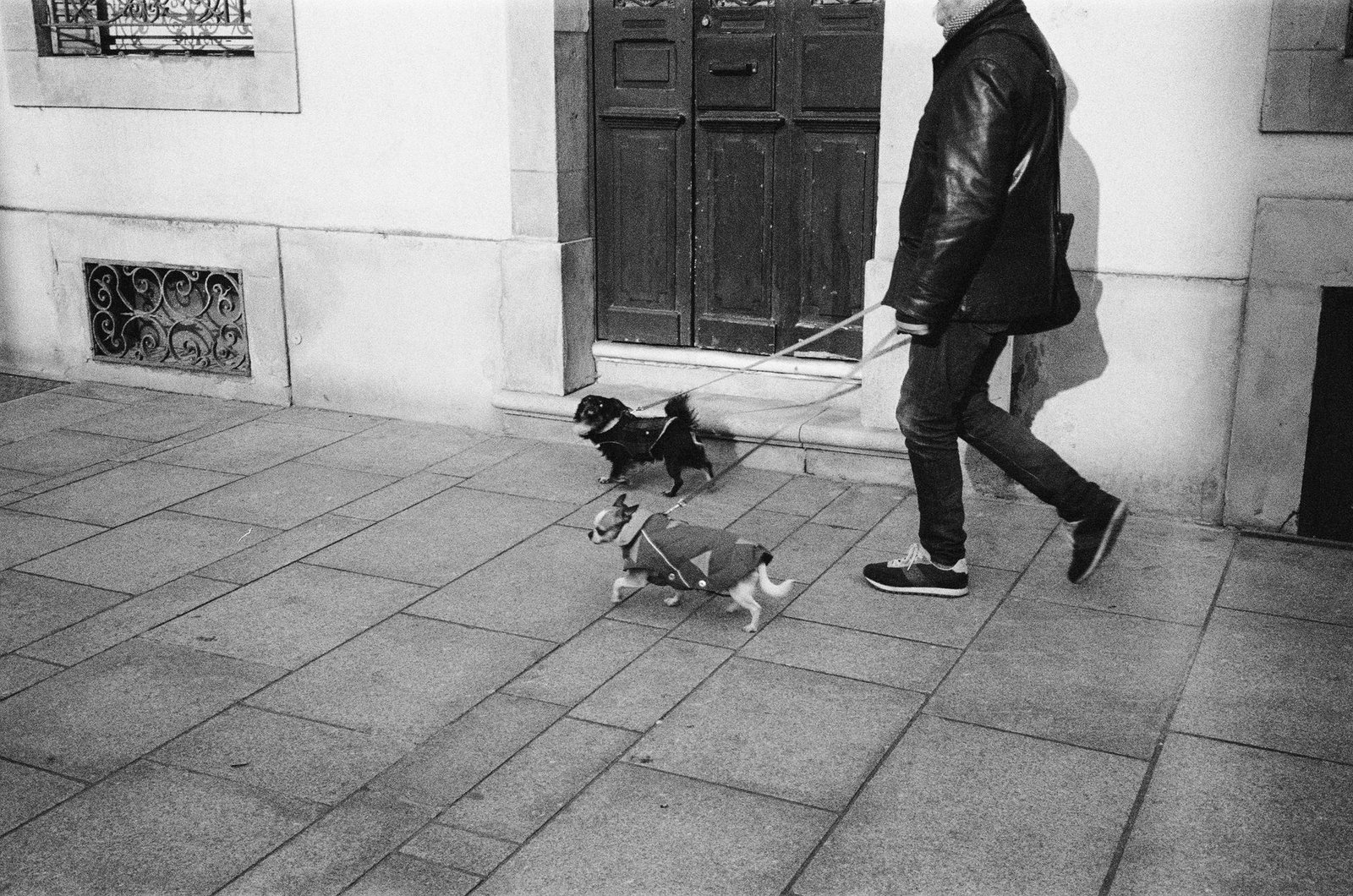
- Leash up near the fields and the ditches. Through the goose months, the dyke trails are not the place for a dog who does not have a reliable recall.
- Do not let your dog nose a bird that is down. A sick bird that cannot fly away is more likely to be approached, and more likely to be carrying something, than a healthy one.
- If your dog has already got one, trade rather than chase. Chasing turns it into a game and often ends with the bird swallowed. Offer something better and take it calmly.
- Do not handle the bird with bare hands. Use a bag inside-out, or leave it where it is.
- Leave your boots at the door. The virus persists on footwear and clothing, so if you have been out among big flocks, clean your boots and wash what you wore. This matters most in a house with a cat.
- Keep the dog away from the household cat until they have been cleaned up. This is the step most people skip, and given how much more susceptible cats are, it is the one that matters most.
Reporting sick and dead wild birds
British Columbia asks the public to report sick or dead wild birds rather than handling them. Reports from the public are a genuine part of how wild bird surveillance works in this province, and a field full of geese in Delta is exactly the kind of place where early reporting is useful. If you come across several dead birds in one area, report it rather than assuming someone else already has.
The provincial line for sick or dead wild birds is 1-866-431-2473. Reports of three or more dead birds in one location are prioritised. Sick or dead wild mammals go to a different line, 1-250-751-7246.
If your dog has mouthed or eaten a bird
Wash your own hands first. Then, wearing gloves if you have any, wipe the dog down, particularly the muzzle and front legs, and keep them separated from any cats in the house until that is done.
Most dogs will be entirely fine. What we would want to know about is vomiting that keeps going, diarrhea, going off food, unusual tiredness, coughing, laboured breathing, eye or nose discharge, or a fever. Tell us at the time of booking that your dog had contact with a wild bird, because it changes what we look for and how we handle them on arrival.
Call us if you are unsure. A quick consultation is a reasonable way to decide whether your dog needs to be seen or watched at home. Where a dog has swallowed bones or a large amount of carcass, imaging and blood work tell us whether anything is lodged and how the dog is coping.
We are open Monday to Friday until 8:00 pm and on weekends until 5:00 pm. If your dog is in real trouble outside those hours, with repeated vomiting, collapse or difficulty breathing, go to an open emergency veterinary hospital rather than waiting for us to open. For anything that cannot wait while we are open, we offer urgent care.
Cats, raw food and the quieter risk
The route that has caused the most serious illness in cats elsewhere is not the field at all. It is raw food, particularly raw poultry. The BC SPCA advice is to avoid raw diets while avian flu is circulating, and to keep cats indoors. For a Ladner household with both a cat and a dog who walks the dykes, those two pieces of advice do more than anything else on this page.
For a cat who genuinely lives outdoors, a barn or community cat who cannot simply be brought in, the practical version is to keep food and shelter well away from standing water and from where birds gather, and to clear any carcass you find on the property promptly.
Common questions
Is it safe to walk my dog on the Westham Island and Boundary Bay dykes in November?
Yes. Walking near the geese is not the risk; letting a dog mouth a dead or sick bird is. One thing to know before you set out: dogs are not permitted anywhere on the Reifel Migratory Bird Sanctuary property, including the parking lot, so the public dyke trails and Westham Island Road are where you and your dog belong. A leash is a requirement on the Boundary Bay and Delta dyke trails rather than a suggestion, and through the goose months it is also the sensible precaution.
My dog ate part of a goose two days ago and seems fine. Should I worry?
A dog who is eating normally, bright and passing normal stools two days on is very likely fine. Keep watching for a few more days, and call us if anything changes, particularly vomiting or tiredness.
Can my dog pass something to me?
Transmission to people from a companion animal is extremely unusual. Ordinary hygiene covers it: wash your hands after handling the dog, and do not let them lick your face until they have been cleaned up.
What about my cat, who goes outdoors in Ladner?
Cats are more susceptible than dogs and hunt birds by instinct, which is a worse combination. The straightforward answer is to keep cats indoors through the migration months.
Should I stop feeding the birds in my yard?
Backyard feeders concentrate birds in one spot. If there is active avian flu in the area, taking feeders down for a while is sensible, and keeping them clean is worthwhile regardless.
Speak to the team at 48th Avenue Animal Hospital
If your dog has had contact with a dead or sick wild bird and you are not sure what to do, call us and tell us what happened. We would far rather talk it through than have you guess.
Published by the team at 48th Avenue Animal Hospital.
This article is educational in nature and is not a replacement for hands-on assessment of your own pet by a veterinarian.
48th Avenue Animal Hospital
5020 48 Avenue, Delta, BC V4K 3V3 (Ladner)
Phone: (604) 946-7779
Hours: Monday to Friday 8:00 am to 8:00 pm; Saturday and Sunday 9:00 am to 5:00 pm