
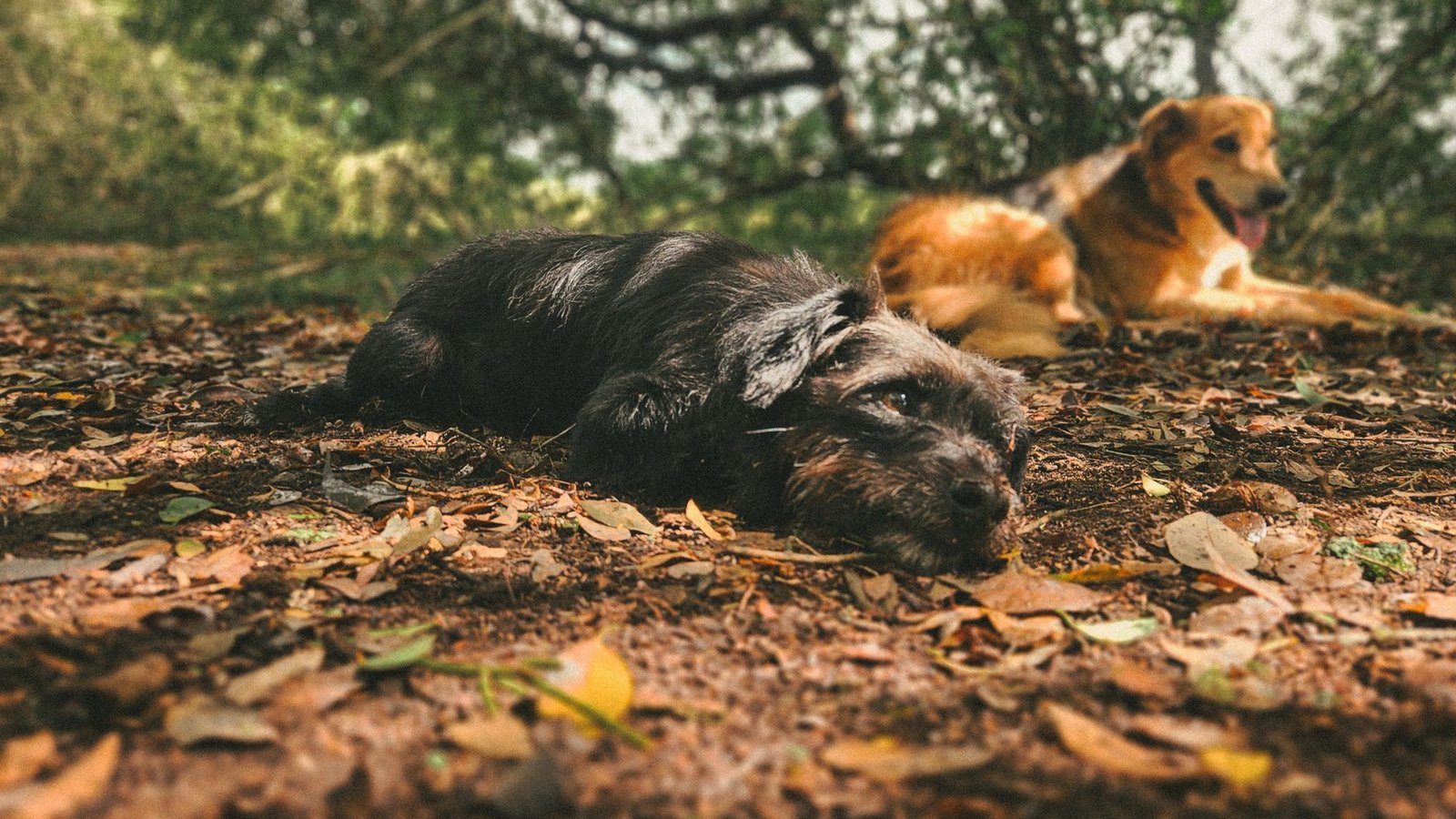
Separation anxiety is genuine distress when a pet is left alone, not disobedience. Watch for pacing, howling, drooling, destruction near doors and windows, or accidents from a house-trained pet. Start shortening your absences now, in the weeks before school returns, rather than on the first quiet morning in September when the change arrives all at once.
Why the first week of September is harder than it looks
Summer in Ladner is generous to pets. Someone is usually home, the back door is open, walks happen at odd hours, and there is a steady rotation of people coming and going. Then one Tuesday morning the house empties at eight and stays empty until three or later. From the pet’s point of view, nothing was gradual about it.
The dogs who struggle most are often the ones who did best all summer. A pet who has had eight or ten weeks of near-constant company has effectively been practising the opposite of independence. That is not anybody’s fault, but it does mean the September contrast is steeper for them than for a pet whose routine barely changed.
There is a second group we see every autumn in Delta: the pandemic-era and post-pandemic pets who have simply never done a full working day alone. If your dog joined the family during a period of remote work or has always had a household of teenagers around, the first genuinely empty house of their life may be this September.
Separation anxiety is not misbehaviour
This is the single most useful thing an owner can understand. A dog who shreds a door frame while you are out is not making a point about being left, and a cat who urinates on the bed is not being spiteful. Both are showing a panic response, and panic does not respond to being told off after the fact.
Correcting a pet on your return teaches them that your homecoming is unpredictable and worth worrying about, which usually makes the following day worse rather than better. It is one of the few places where the intuitive response and the effective one point in opposite directions.
What separation distress actually looks like
In dogs, the pattern is most intense in the first twenty to thirty minutes after you leave, which is why it so often goes unwitnessed:
- Vocalising that starts soon after the door closes: howling, sustained barking or whining
- Scratching, chewing or digging at doors, door frames, window sills and crate edges
- Toileting indoors despite being reliably house-trained
- Pacing a fixed route, or trembling and drooling enough to leave wet patches
- Refusing food or a favourite chew while alone, then eating the moment you return
- Shadowing you from room to room, and escalating anxiety as you pick up keys or shoes
- An over-the-top greeting that takes several minutes to settle
Cats are quieter about it and are therefore missed far more often. Look for urinating or defecating outside the litter box, especially on bedding or clothing that smells of the person who left, overgrooming to the point of thin patches or bare skin, increased vocalising, hiding for long stretches, appetite changes, or a cat who becomes unusually clingy when someone is home.
A phone propped on a shelf recording the first half hour after you leave tells you more than a week of guessing. Bring that recording to your appointment. It is genuinely useful information.
The medical mimics worth ruling out first
Several of these signs have physical explanations that have nothing to do with being alone, and treating a medical problem as a behavioural one wastes months.
House soiling can come from a urinary tract problem, a gastrointestinal upset, kidney disease or the reduced bladder control that can accompany ageing. Overgrooming in cats is frequently skin disease, parasites or pain rather than stress. Night vocalising and disorientation in an older pet can reflect cognitive change. Restlessness and panting may be pain, and pain that only shows when the household settles is easy to attribute to loneliness.
This is why a behavioural concern is worth starting with an examination rather than a training plan. A physical exam and, where indicated, in-house diagnostics can separate a medical driver from a behavioural one early. Our medical consultation appointments are the right place to bring the whole picture, video included.
Building the transition before the school bell
The principle is simple: absence should become boring long before it becomes long. If you still have a couple of weeks, you have time to do this properly.
Start shifting the schedule now. Move meals, walks and bedtime toward the times they will happen once school starts, so the clock change and the empty-house change do not land on the same morning.
Then practise leaving. Begin with departures so short they are almost silly, stepping out and returning before your pet has time to become concerned, and build the duration only while your pet stays relaxed. If you come back to a distressed animal, the last absence was too long, and the next one should be shorter rather than braver.
Break the meaning of your departure cues. Pick up your keys and sit down. Put your shoes on and make a coffee. Open the front door and close it again without leaving. Repeated dozens of times across a fortnight, those cues stop predicting anything.
Keep arrivals and departures low key. A calm, unremarkable exit and a quiet greeting teach a pet that the whole business is routine. Leave something genuinely absorbing that only appears when you go: a stuffed feeder, a slow-release chew appropriate to your dog’s chewing style, or for cats a window perch, a puzzle feeder and something to climb. Exercise before you leave helps a great deal, because a dog who has had a proper morning walk along the dyke is better placed to settle than one who has been in the garden for five minutes.
For cats, environmental enrichment does most of the work. Vertical space, hiding places, a view of a bird feeder and scattered small meals turn an empty house into an interesting one. Our guide to indoor cat safety in Ladner and Delta homes covers how to set that up without creating new hazards.
When to bring your veterinary team in
Book an appointment if your pet is injuring themselves, damaging the house, unable to settle at all when alone, or if the signs are getting worse rather than better despite a sensible plan. Also come in if your pet cannot be left even briefly, if a previously settled adult pet has changed suddenly, or if you are running out of patience. That last one matters more than people admit, and it is a reasonable thing to say out loud.
A plan usually combines a graduated absence programme with changes to the daily routine, and in some cases additional support recommended and monitored by a veterinarian as part of that plan rather than instead of it. Severe cases take months rather than weeks, and progress is rarely a straight line.
Early groundwork pays off. Our article on puppy and kitten socialization covers teaching independence from the start, and because diet and behaviour interact more than most owners expect, the link between nutrition and behaviour in pets is a useful companion read. Ongoing support sits within our wellness programs, and anything that turns urgent, such as self-injury, is handled through urgent care.
Frequently asked questions
How do I know if my dog has separation anxiety or is just bored?
Timing and intensity are the clues. Anxiety typically begins within twenty to thirty minutes of your departure, focuses on exit points such as doors and windows, and comes with drooling, panting or trembling. Boredom tends to start later, spreads around the house, and looks like ordinary mischief. A recording of the first half hour usually settles the question.
Can cats get separation anxiety?
Yes, though it presents differently and is often missed. Cats are more likely to soil outside the litter box, overgroom, hide for long periods, change their eating habits or become unusually vocal and clingy. Because those signs overlap heavily with medical problems, a cat showing them should be examined before anyone concludes it is behavioural.
Should I get a second pet to keep my dog company?
It rarely fixes true separation anxiety, because the distress is usually about the absence of a specific person rather than the absence of company. A second pet can also learn the anxious behaviour, and you may end up managing two. Work through a plan with your veterinary team first and treat adding a pet as a separate decision.
How long does it take to improve?
Mild cases caught early often improve within a few weeks of consistent graduated absences. Established or severe cases usually take several months and progress in steps rather than a smooth line, with setbacks after holidays or other routine changes. Consistency matters more than intensity, and starting before September rather than after it makes a real difference.
Is it cruel to leave my dog alone all day?
Most adult dogs cope with a normal working day if they have had exercise, a chance to toilet, something to occupy them and a comfortable place to rest. Puppies, seniors and dogs with existing anxiety need shorter intervals or a midday visit. If a full day is unavoidable, build up to it gradually rather than starting with it.
My pet was fine last September. Why now?
A sudden change in a previously settled adult pet is worth investigating rather than assuming it is the calendar. Pain, sensory decline, cognitive change and several medical conditions can all reduce a pet’s ability to cope with being alone. Book an examination so the physical possibilities are checked before a behavioural plan is built.